Science
How to read news about scientific discoveries without being misled
Four questions I put to every headline containing the words "scientists have proved".
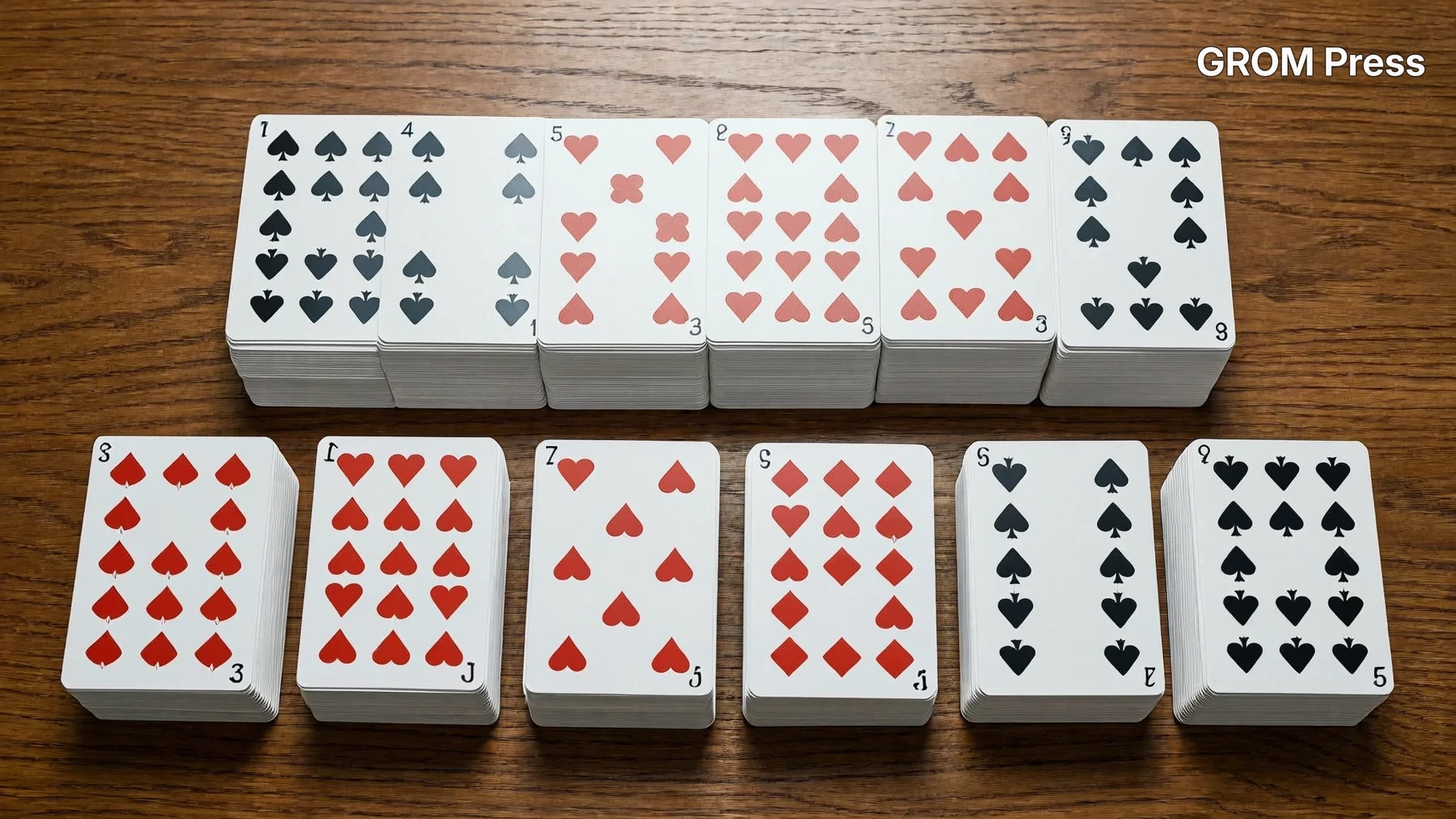
A mathematical card trick returns a deck to its starting order after exactly 180,180 shuffles. The secret lies in six independent groups and a special combination of numbers.
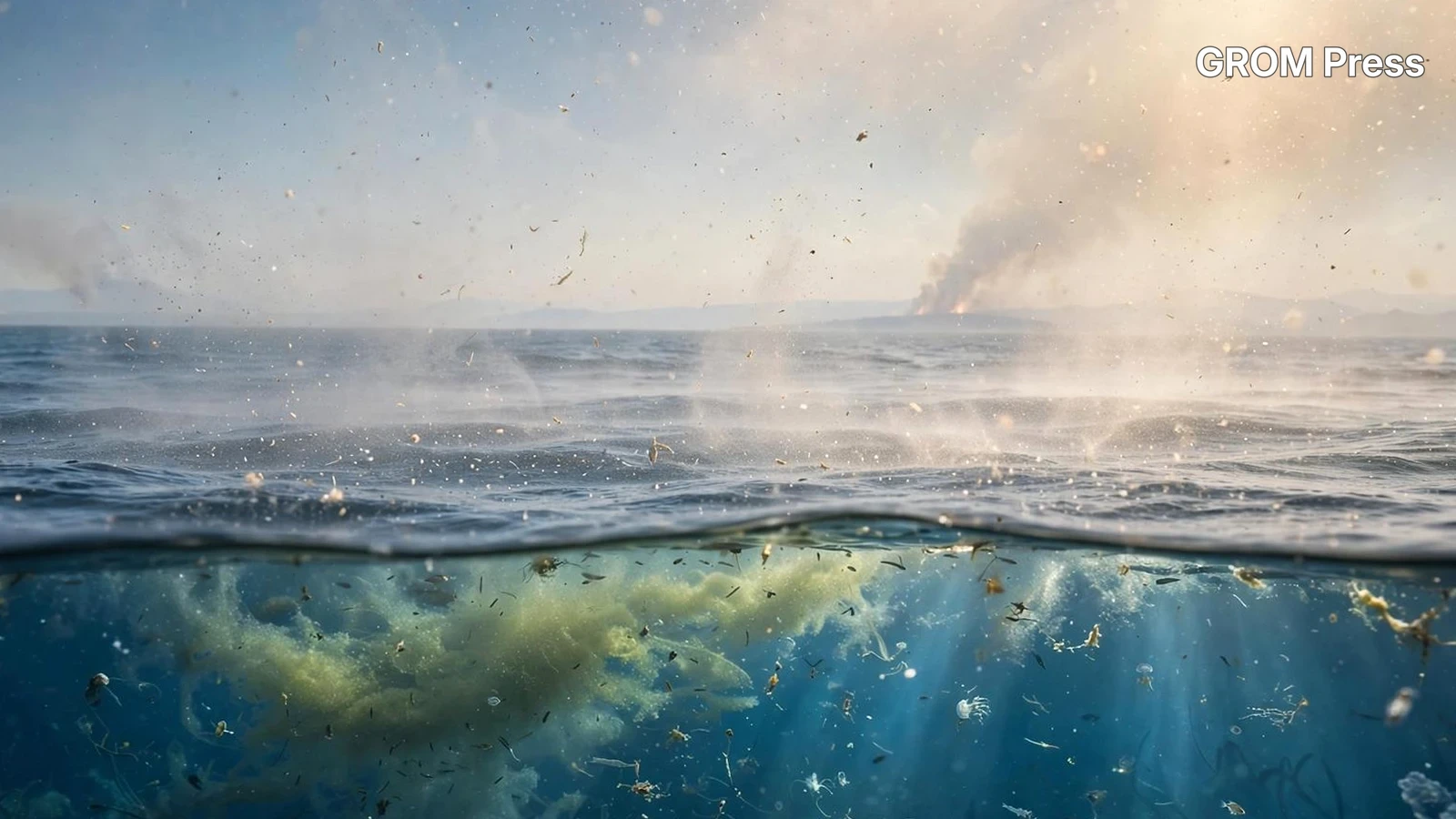
Researchers from the Hong Kong University of Science and Technology and the Southern University of Science and Technology in China estimate that 12.8 million tonnes of organic nitrogen fall onto the ocean surface each year, accounting for about 27% of all atmospheric nitrogen inputs to the ocean. The finding is based on 418 marine aerosol samples from 21 expeditions and a three-dimensional atmospheric chemistry model. Biomass burning, marine aerosols and atmospheric imines are identified as the main sources, with land-based sources contributing roughly 70% of the total.
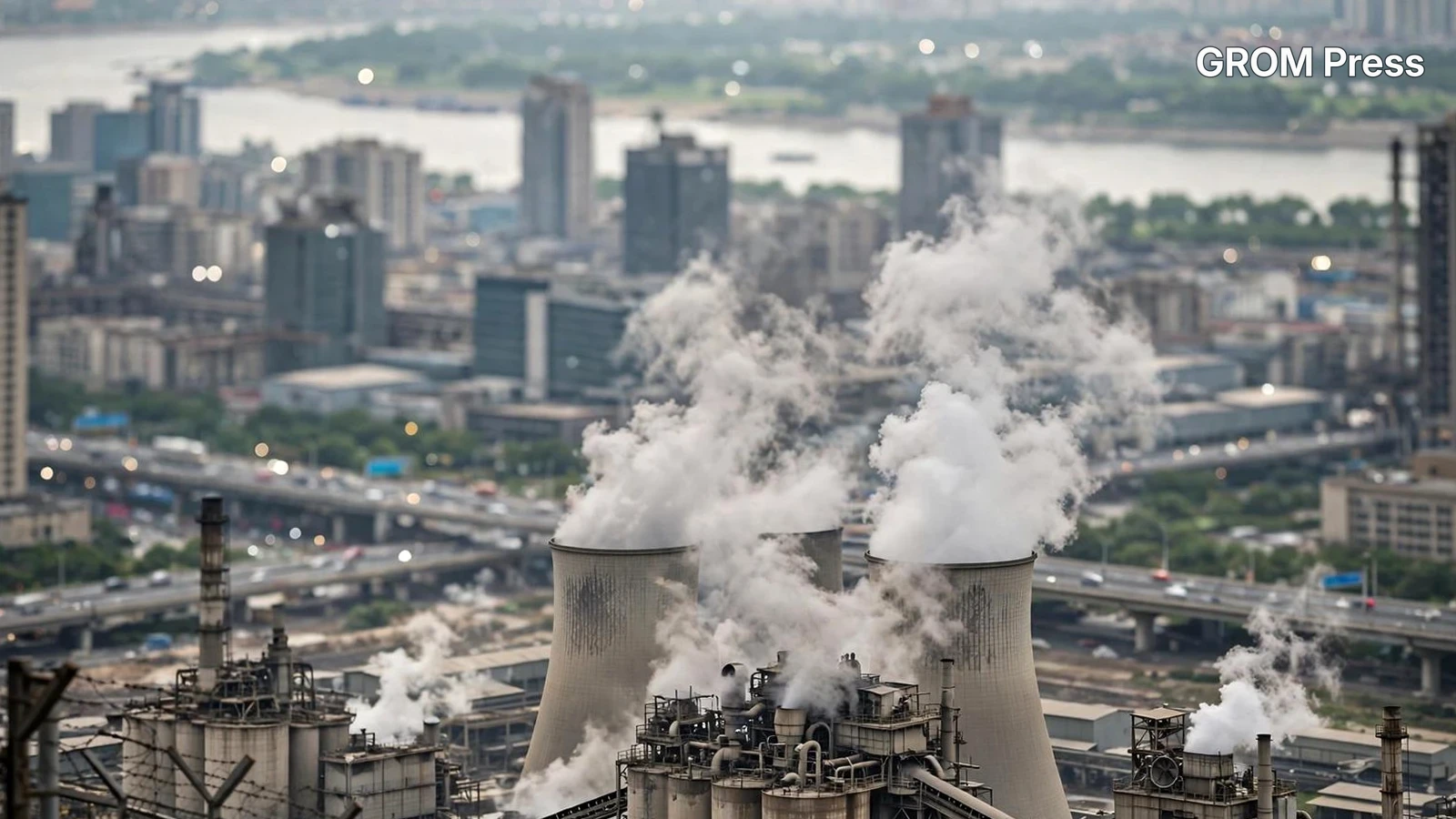
A study of 110 cities in China's Yangtze River Economic Belt found that the Low-Carbon City Pilot programme, launched in 2010, had no statistically significant average effect on CO2 emissions over 2007-2023. Emissions fell only after prolonged participation, with a significant decline appearing in years 7-9 and an estimated 1.1 percent reduction per additional year of participation.
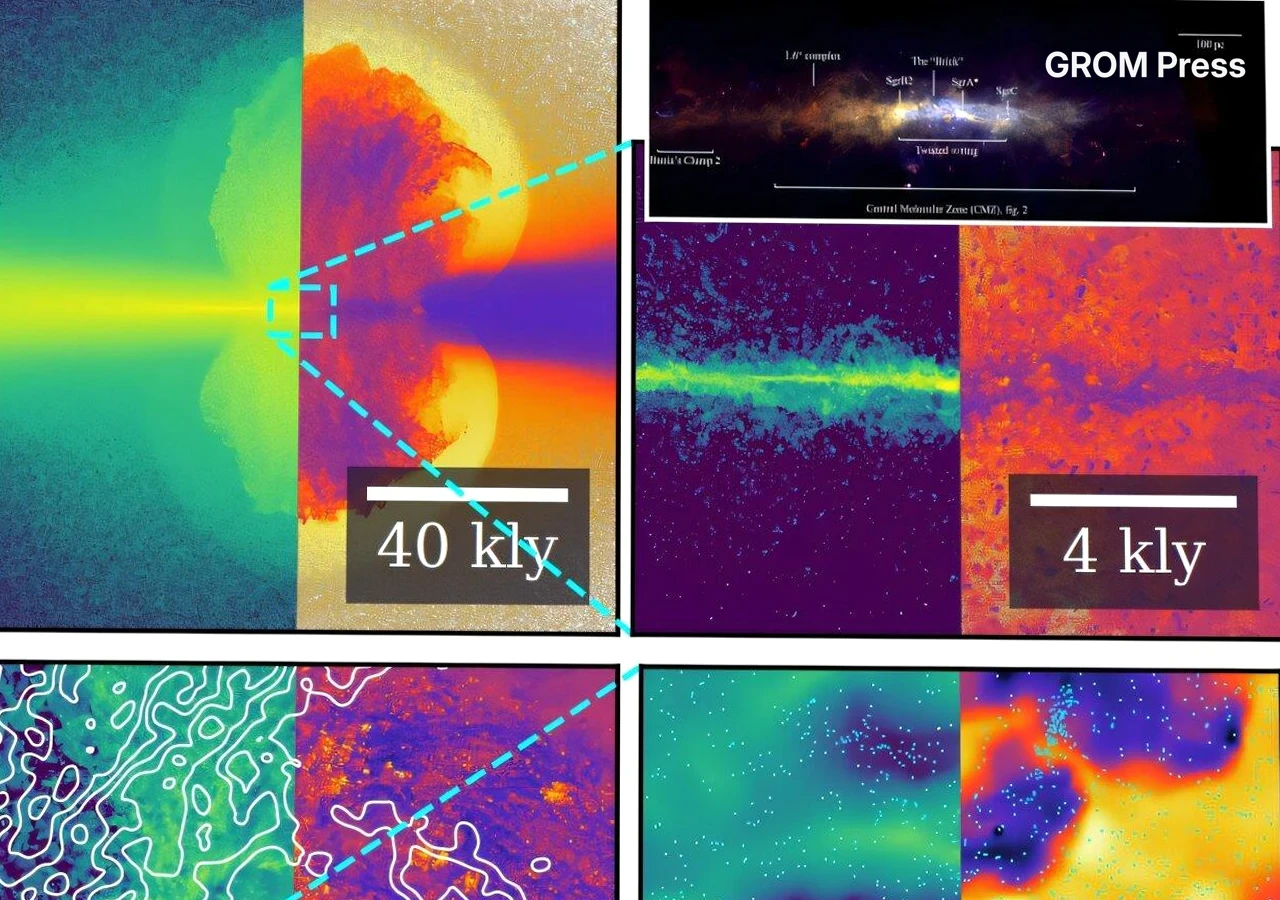
The PHEASANT project presented a star-by-star simulation of the Milky Way at the SC 2026 conference in Chicago, held from 15 to 20 November. The model uses about 3.4 billion particles and combines three supercomputer systems with AMD, Intel and Nvidia hardware. An AI model developed by Keiya Hirashima of the Japanese institute Riken accelerates calculations of gas evolution around supernovae by 20 times, predicting the state of gas 100,000 years ahead instead of sequentially calculating 100 years of evolution. The project is led by Professor Michiko Fujii of the University of Tokyo.
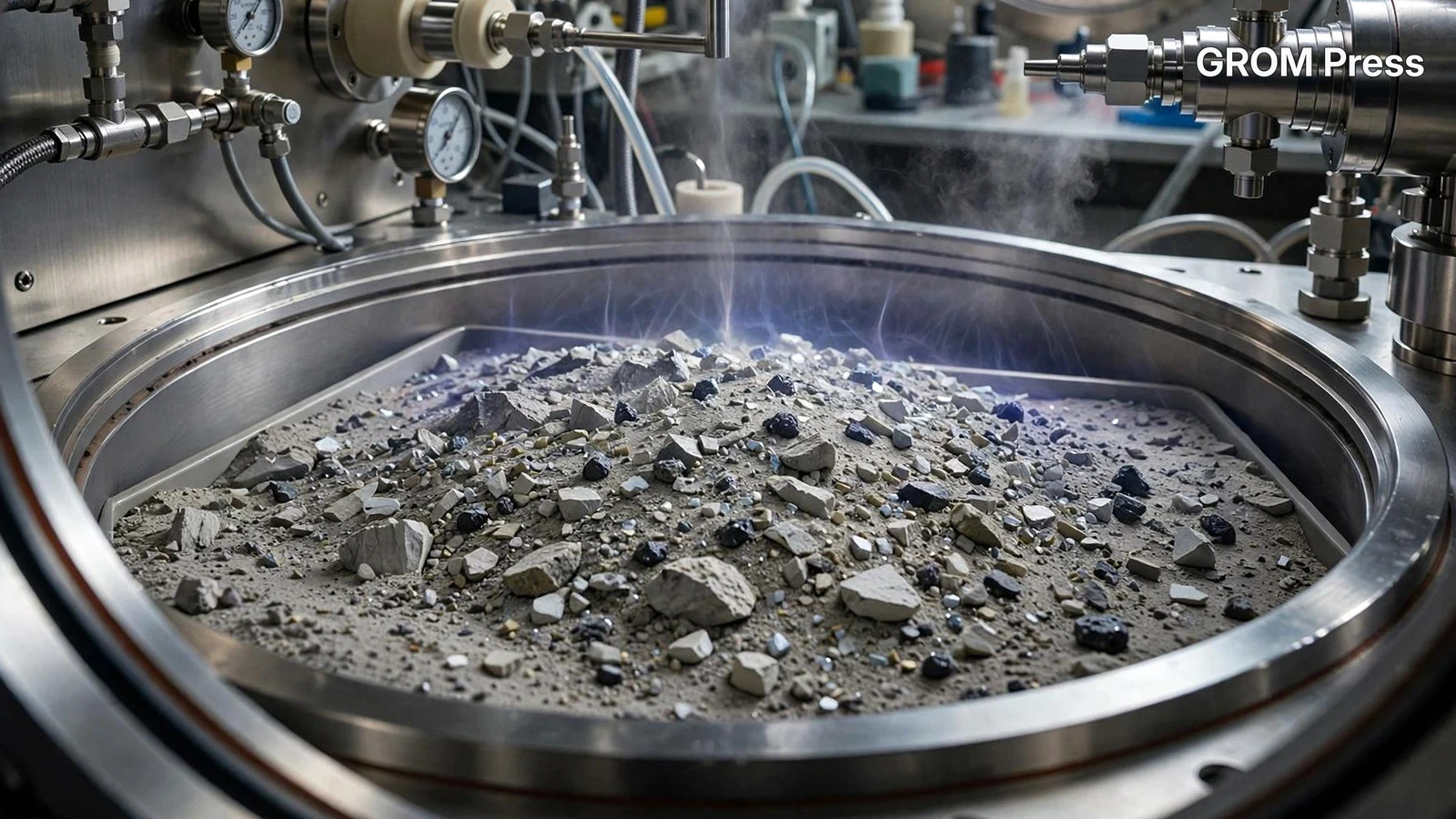
Researchers exposed artificial lunar regolith to fluorine-containing plasma used in chipmaking and detected oxygen, carbon dioxide and carbon monoxide release. The experiments were conducted below 400 °C without liquid reagents, but only with simulated soil, so practical lunar oxygen production remains distant.
The Pentagon has opened 1953 archives describing an attempt by leading aviation specialists of the time to pursue an unidentified flying object during a test flight. The source does not specify the date, location, object type, outcome, or who released the documents.
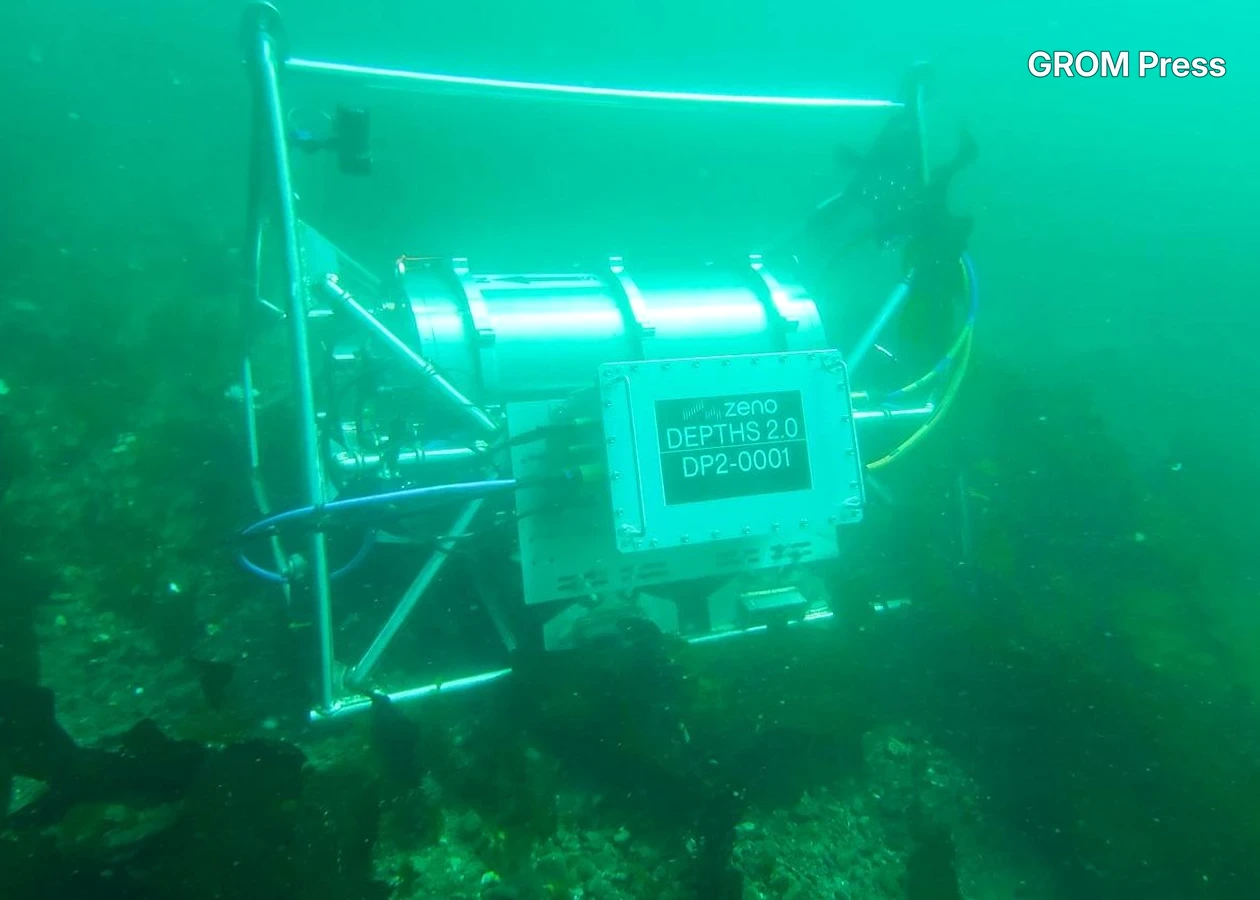
Zeno Power completed a two-week underwater test of a Stirling generator off the coast of Washington state, producing more than 20 watts of electrical power. The prototype was heated by an electric heater, not by radioactive material. The company plans to replace it with strontium-90 recovered from spent nuclear fuel and to test a radioisotope heat source in a water tank in 2027, followed by a possible seabed deployment later that year. The program is supported by the US Department of Defense.
Satellite observations recorded at least 38,200 tonnes of methane and more than 2.9 million tonnes of carbon dioxide from Ethiopia's Fentale volcano between 19 January and 9 April 2025, despite no eruption. Scientists attribute the release to a subsurface magma intrusion that breached a gas-impermeable rock layer, allowing gas from organic-rich sedimentary rocks to escape. The peak methane emission rate reached 157 tonnes per hour, comparable to major industrial gas leaks.
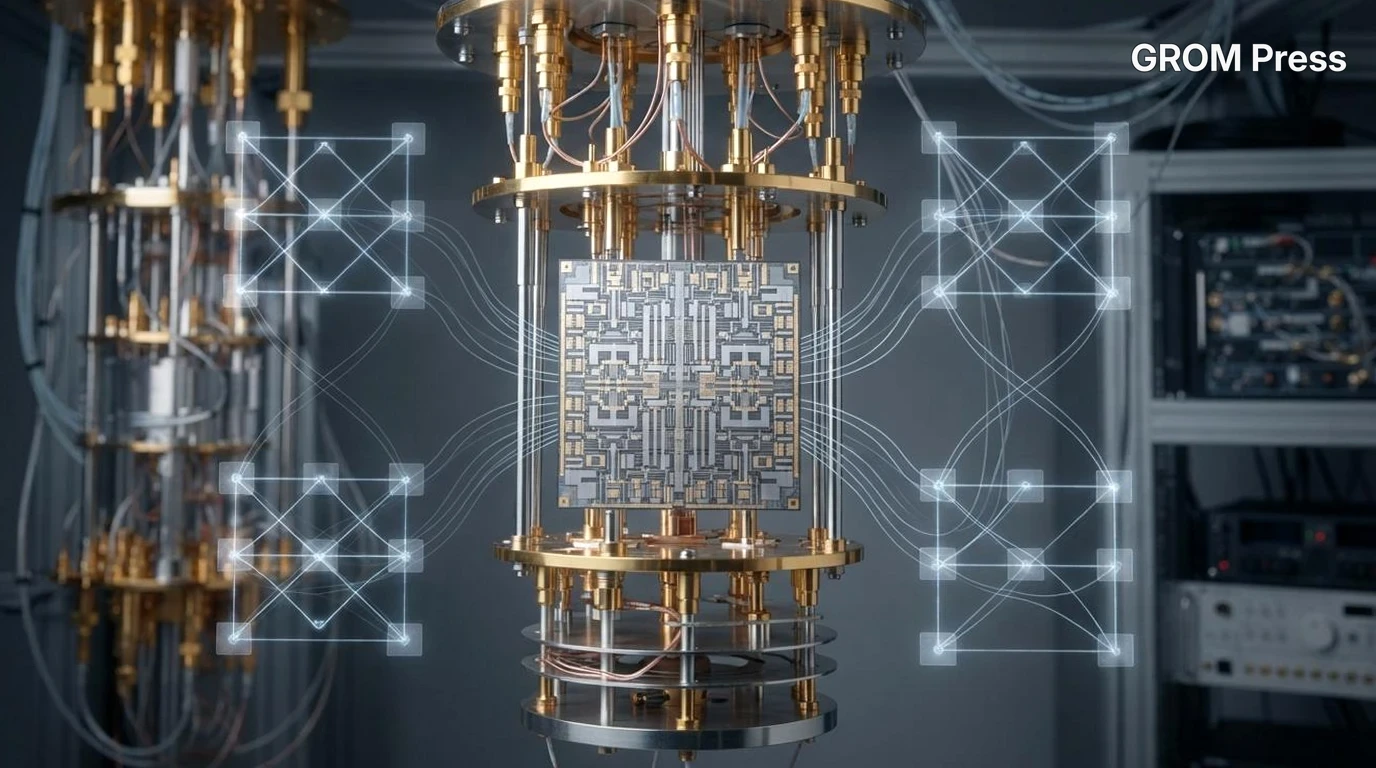
Google Quantum AI reported in Science that its 105-qubit superconducting Willow processor won a quantum contextuality game 98.30 percent of the time, exceeding the classical limit of 88.89 percent. The team also measured a contextuality indicator of 5.590 against a classical ceiling of 4 and a quantum maximum of 6, verified entanglement across 45 qubits, and ran a hidden linear function algorithm on up to 105 qubits with success probability above 50 percent.
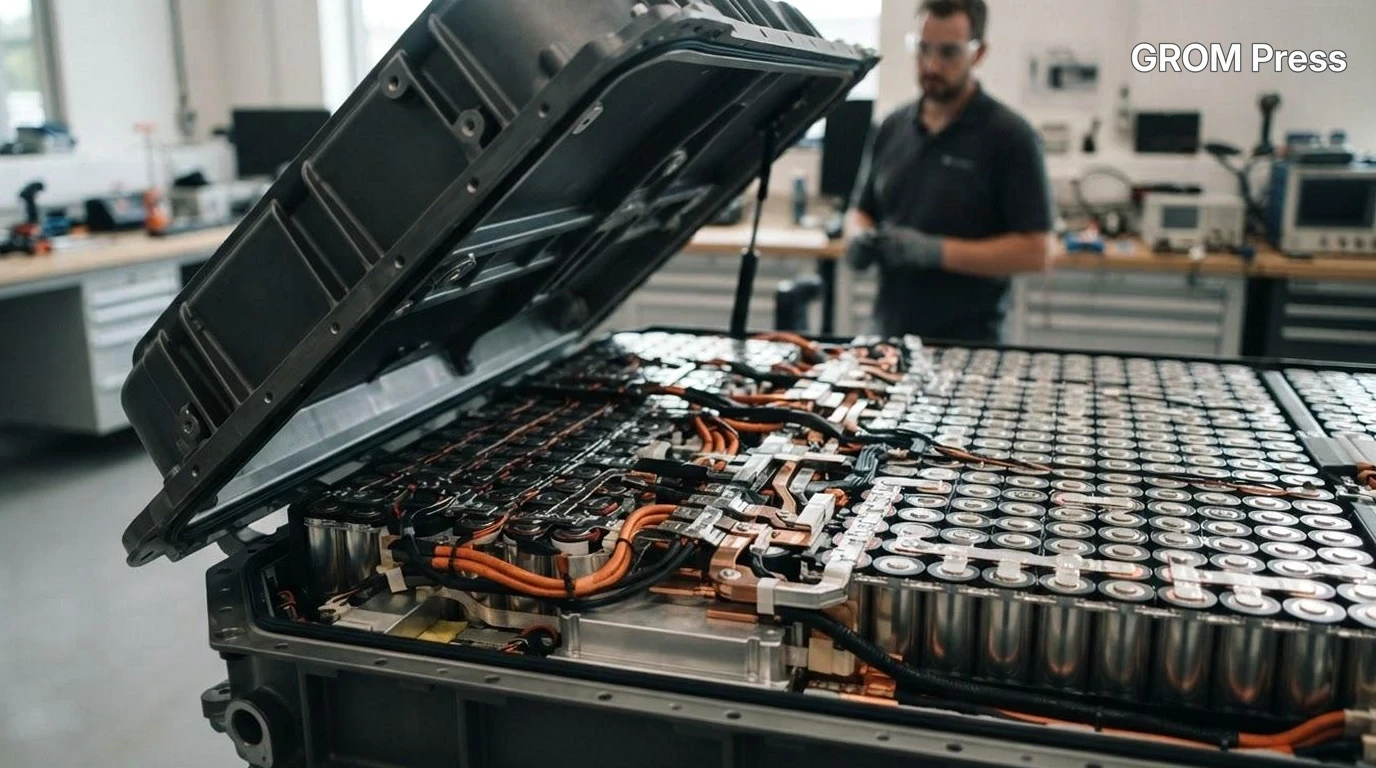
Researchers writing in The Innovation say a thin, flexible interface made of lithium fluoride, lithium oxide and lithium nitride could prevent silicon anodes from cracking during charging. Silicon can store about 11 times more energy than graphite but expands up to 400 percent, destroying the protective solid electrolyte interphase. The proposal remains a concept and has not been demonstrated in commercial batteries.
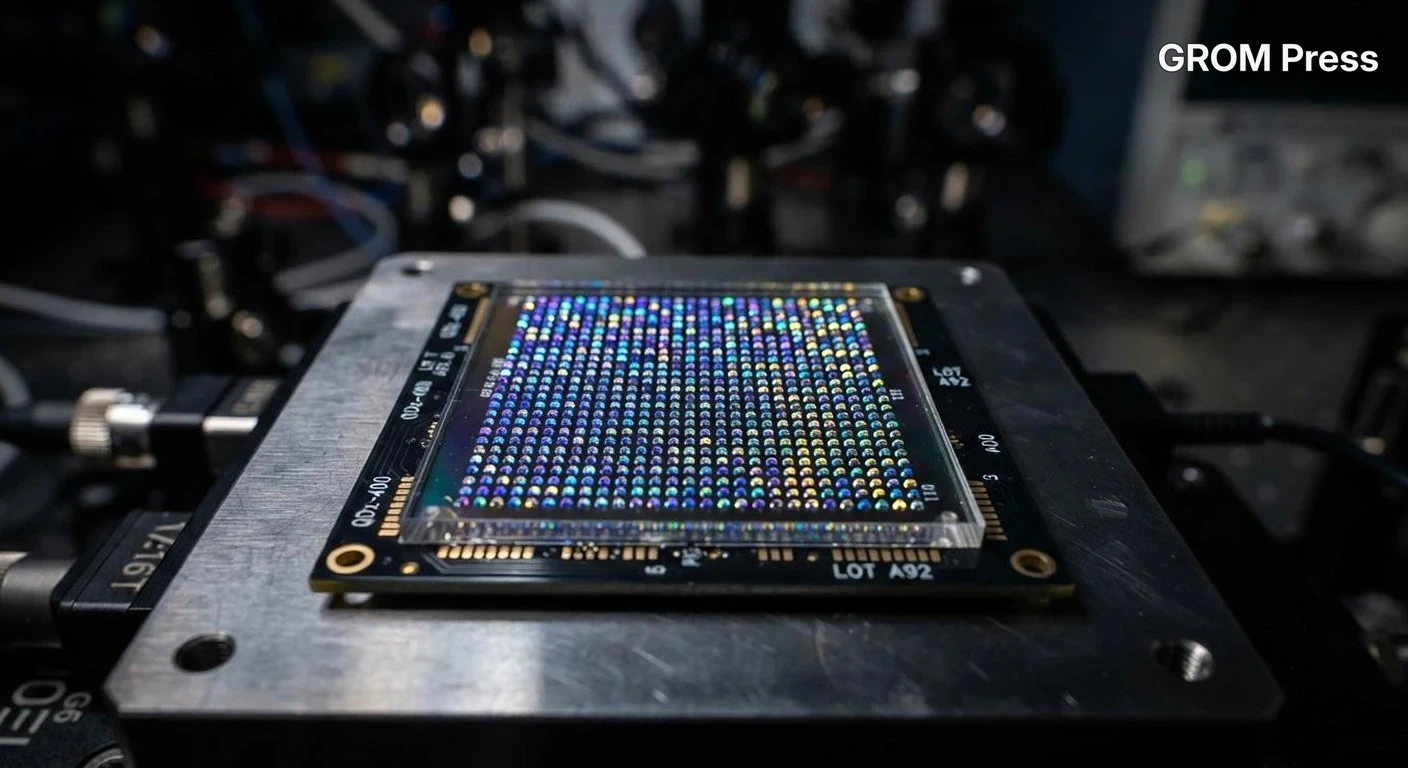
Researchers at Northwestern University in the United States have created a 2 by 2 centimetre chip holding one million microscopic crystals, a platform called Megalibrary designed to accelerate the search for materials for solar panels, LEDs and semiconductors. The chip also revealed an unexpected change in bandgap width with increasing bromine content and a core-shell crystal structure.
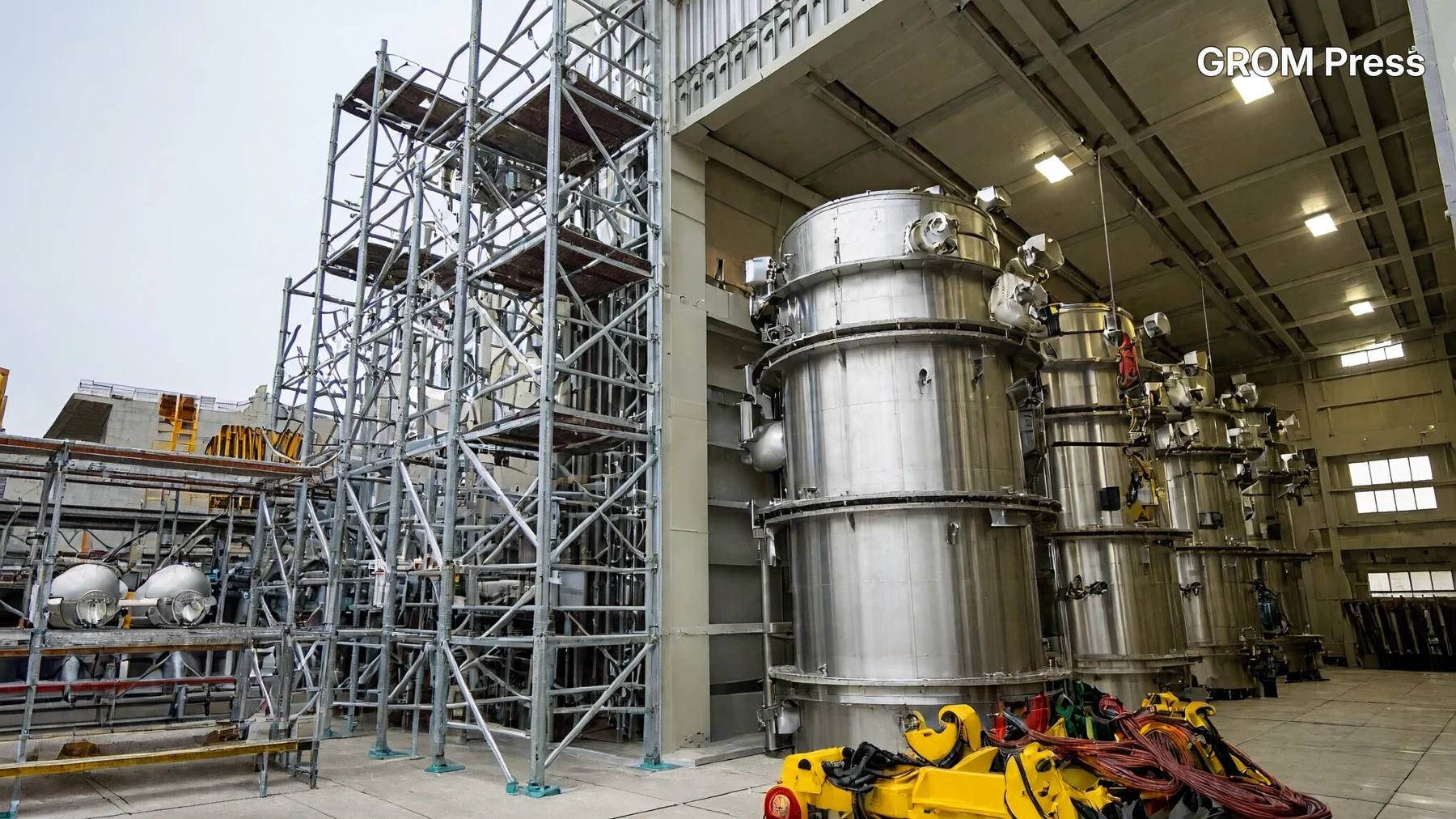
China has completed the installation of three steam generators for the fourth unit of the Zhangzhou nuclear power plant, which uses the Hualong One reactor. Separately, full-scale construction of the nuclear island for the Changlong-1 high-temperature gas-cooled reactor began on 6 November at the Xudapu site in Jiangsu province.
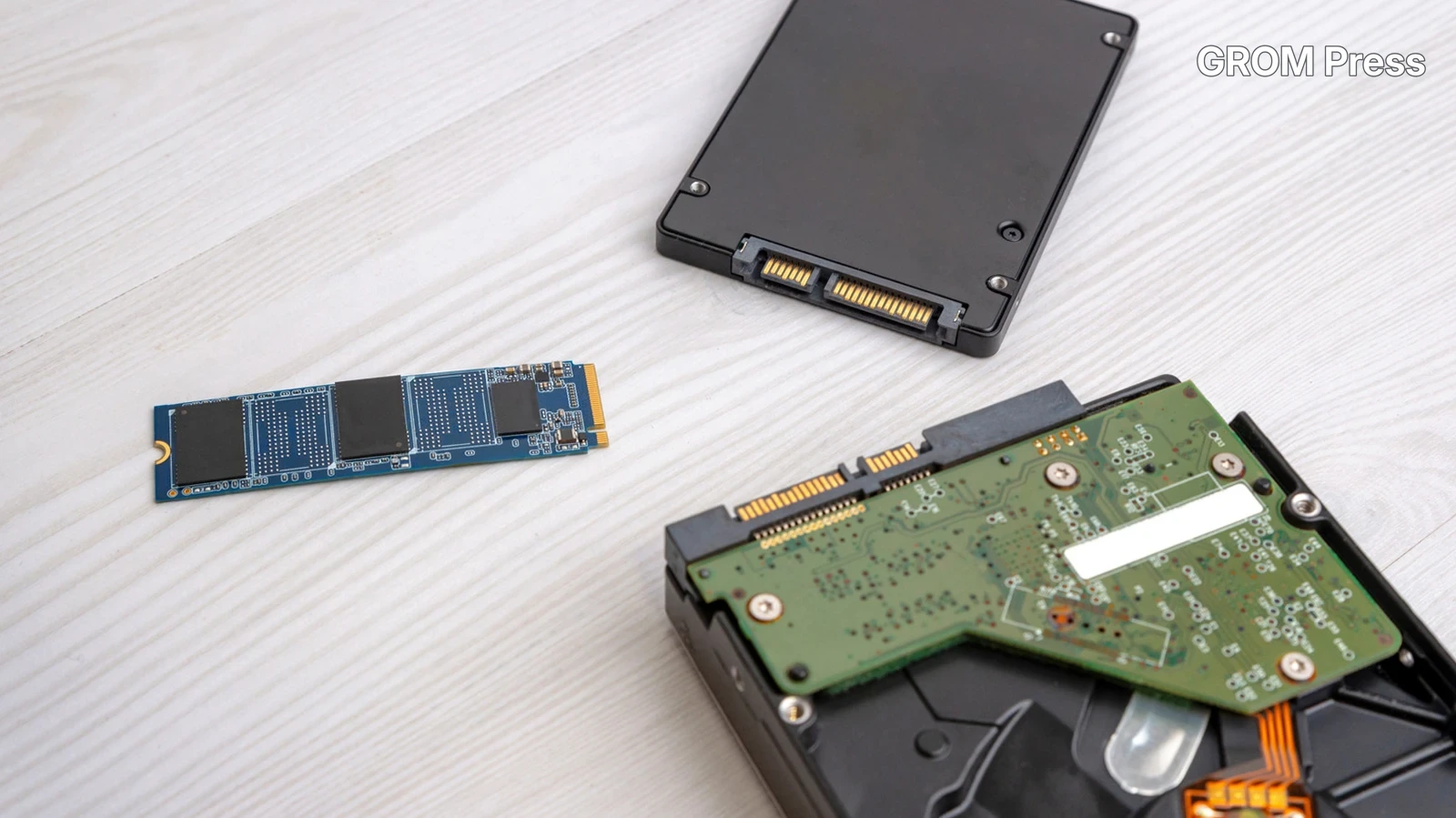
The article explains that disk with a K generally refers to magnetic storage such as hard drives and floppy disks, while disc with a C refers to optical storage such as CDs, DVDs and Blu-rays. Both store data, but they work differently. SSDs are often called disks despite using NAND flash memory rather than mechanical parts.
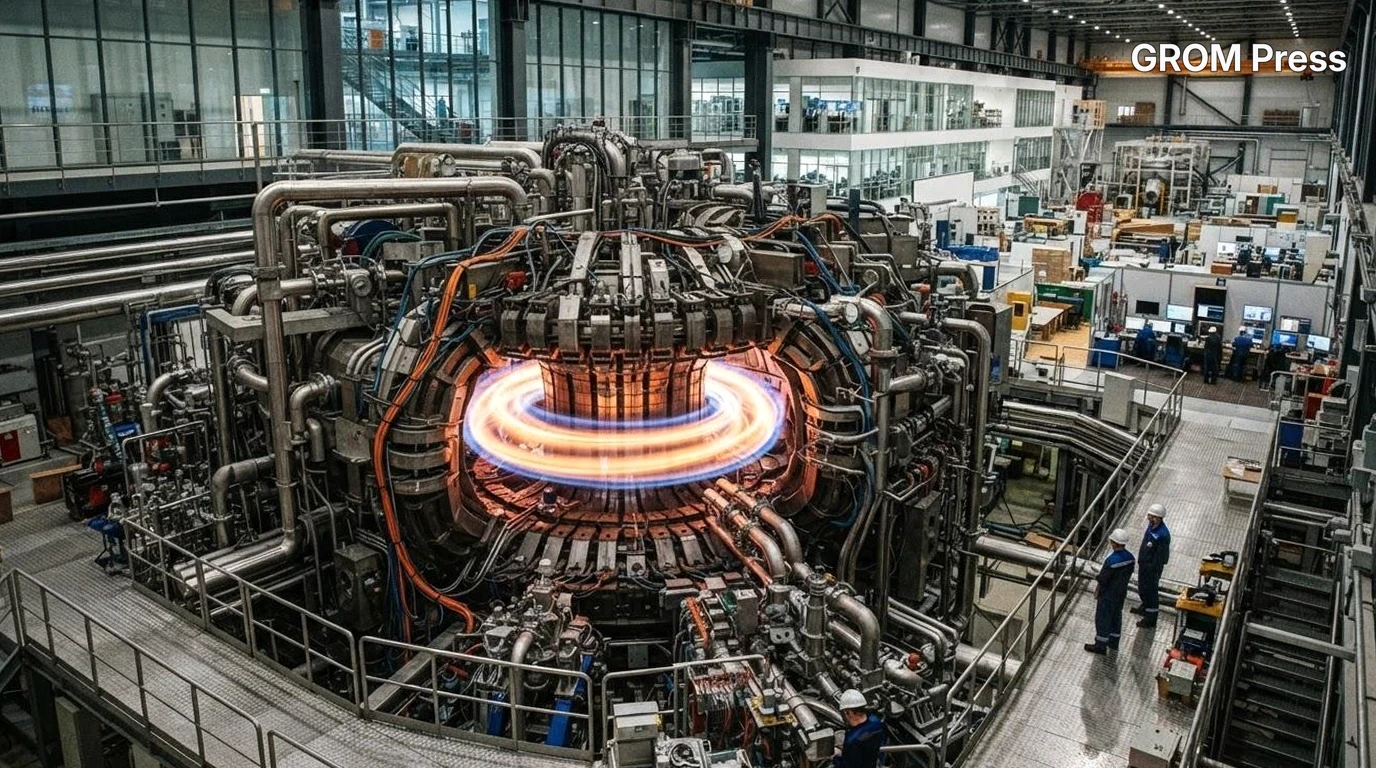
Rosatom Director General Alexey Likhachev said Russia’s technical design for a tokamak with reactor technologies is complete and key cryogenic components have been manufactured. A physical launch could occur in the next decade, with industrial fusion energy possible in the 2050s, provided a decision is made to build the reactor-technology installation. Russia remains part of the ITER project, whose founding agreement was signed on 21 November 2006.
A University of Washington-led team modelled a lifeless Earth over five billion years and found that liquid water and surface temperatures of 12-24 °C could persist without biology, while the atmosphere would contain almost no oxygen because there would be no photosynthesis. The carbonate-silicate cycle alone provided climate stability, the researchers say, with implications for identifying biosignatures on exoplanets.
A report states that words can be intercepted before the first sound and that this challenges 150 years of neuroscience. The source does not name authors, institutions, dates, methods, participants, results, peer review, independent confirmation, or consequences.
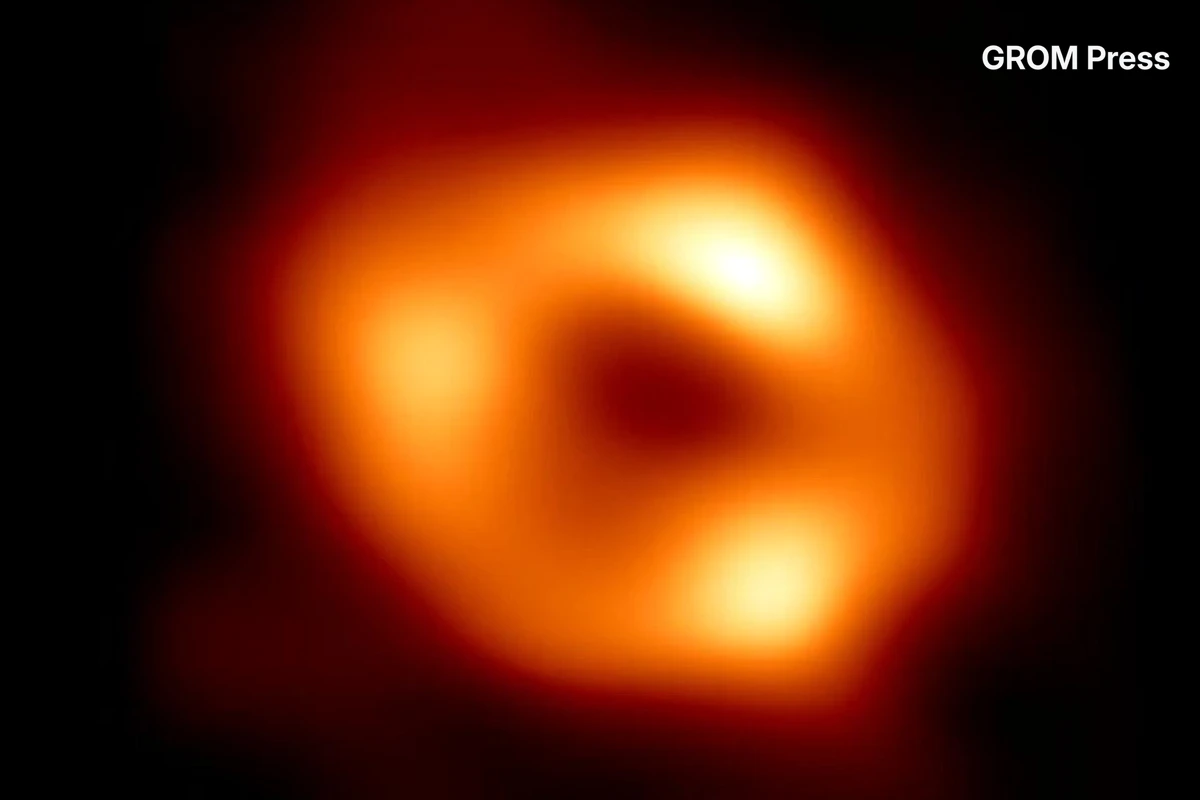
Australian researchers used the GenDIReCT algorithm to reprocess Event Horizon Telescope data from 2017, 2018 and 2021 and independently recovered the glowing ring around the supermassive black hole M87*. The measured diameter was 42.2 ± 1.5 microarcseconds, matching the original 2019 EHT reconstruction. The team estimated the black hole mass at 6.5 ± 0.5 billion solar masses and could not determine its spin.