How far fiber optic cables can carry a signal before loss becomes a problem
Fiber optic cables can carry data over several kilometers without amplification, with single-mode fiber supporting longer runs than multi-mode. Undersea systems such as the 2Africa cable span continents using optical amplifiers along the seabed, while SEA-ME-WE 3 was decommissioned in 2024. Home fiber runs are typically limited by tight bends rather than distance.
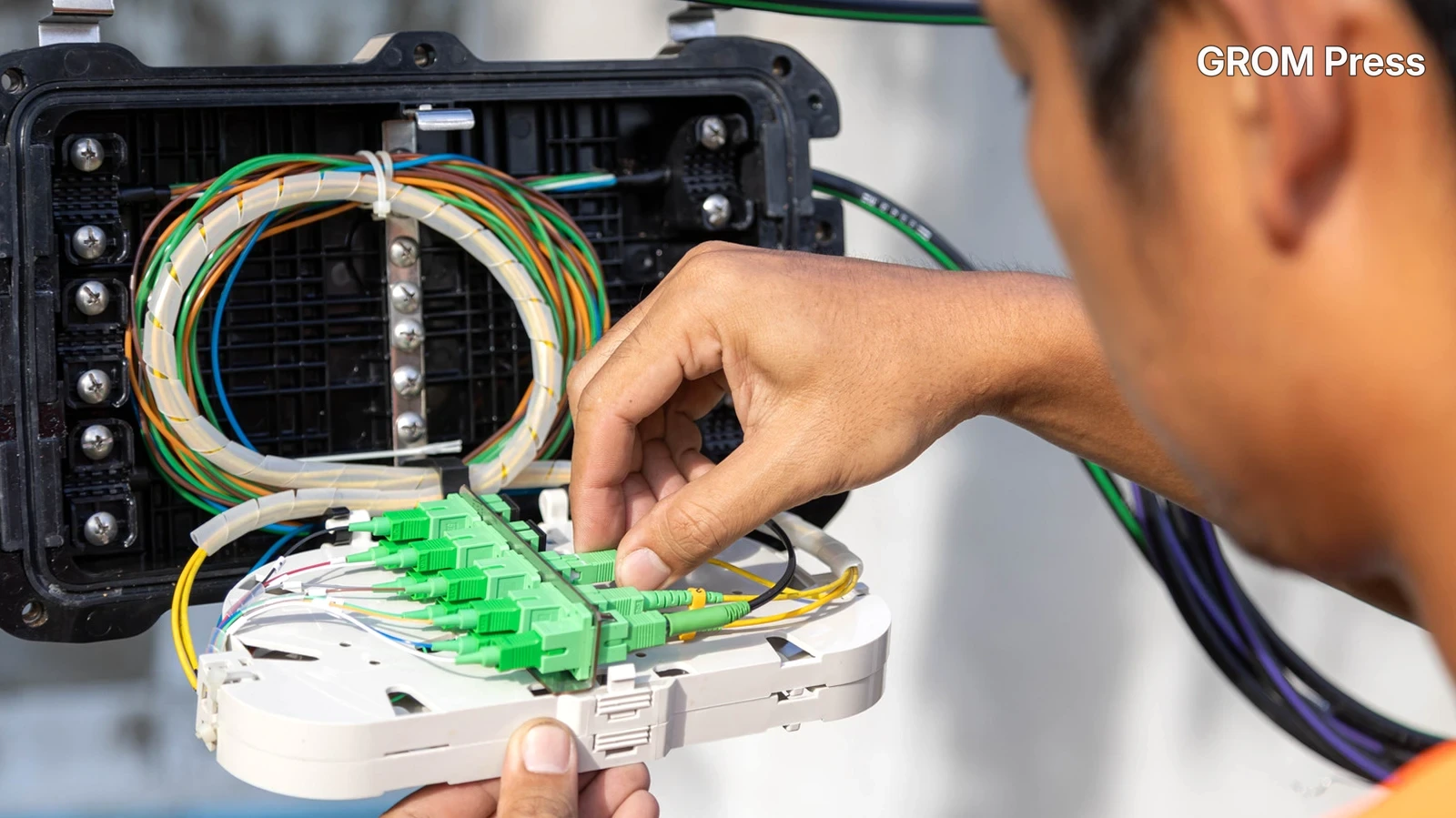
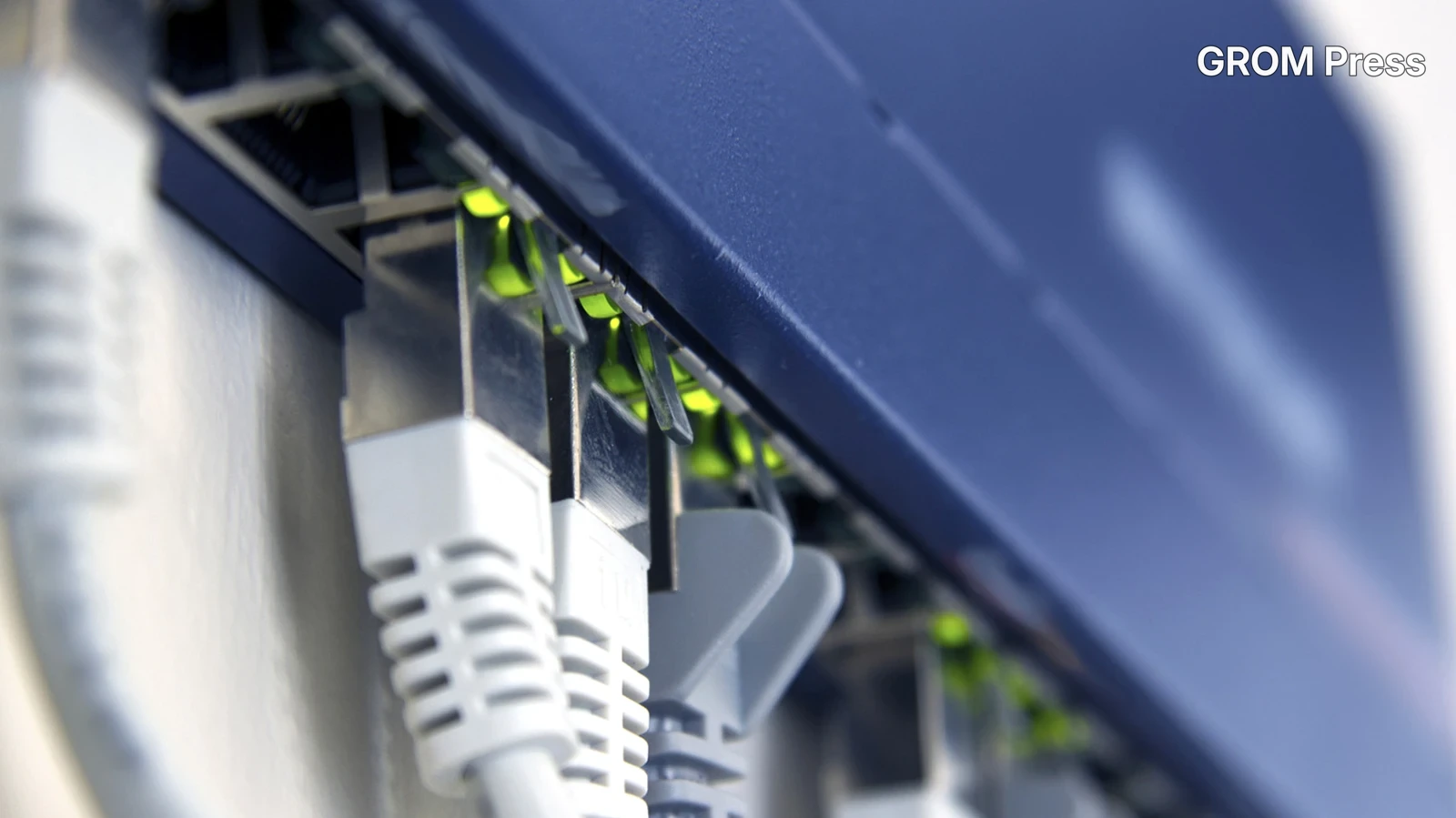
Fiber optic cables transmit data as light through glass or plastic strands using total internal reflection. Compared with copper Ethernet, which is generally limited to about 100 meters, fiber can carry signals over several kilometers before attenuation from absorption and scattering weakens the light to the point where the receiver cannot distinguish data from noise.
Single-mode fiber supports longer distances than multi-mode fiber because it carries one light beam at a time and avoids modal dispersion, where multiple light pulses take different paths and arrive at different times. Multi-mode fiber has a wider core, making optical alignment easier, and is often preferred for shorter runs. Single-mode equipment costs significantly more, but the stability can justify the expense over longer distances.
Read the full story on GROM.PRESS
Source: GROM.PRESS